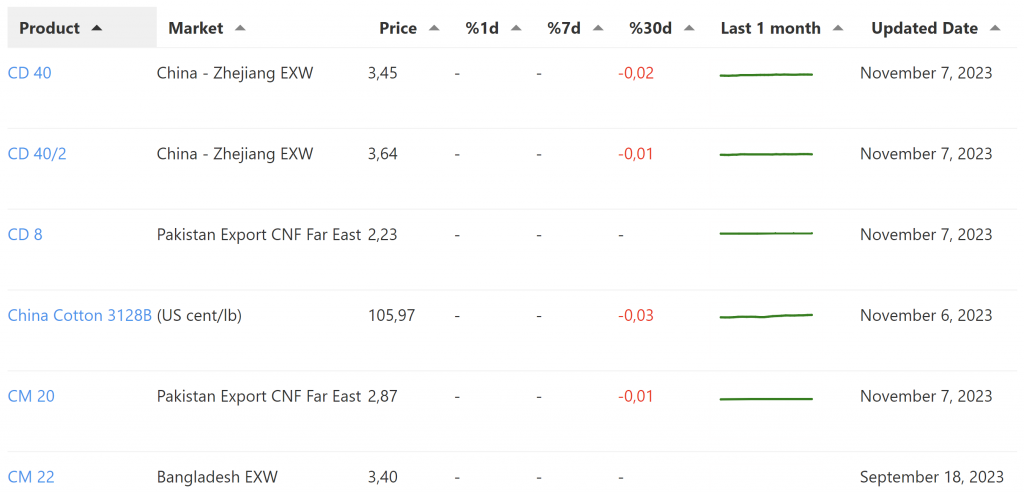
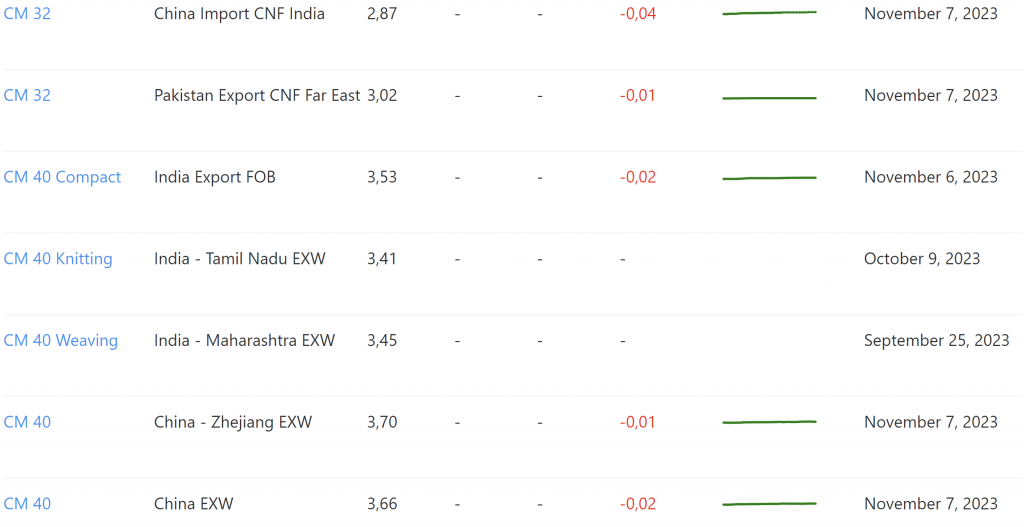
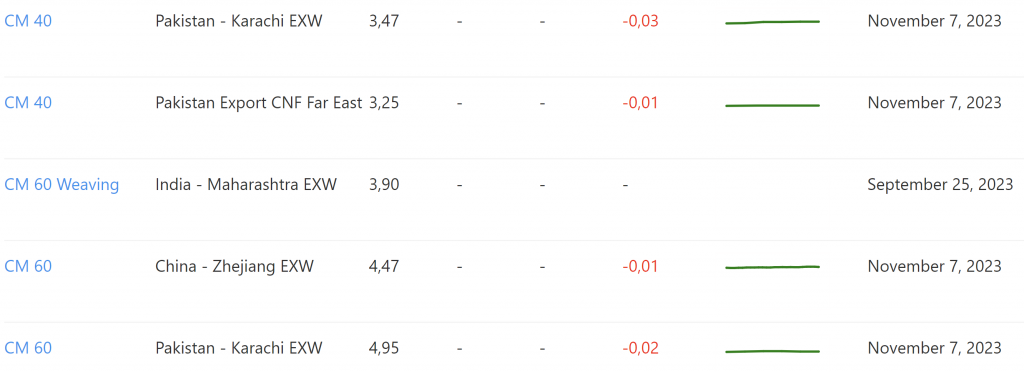
1. GIÁ CẢ THỊ TRƯỜNG

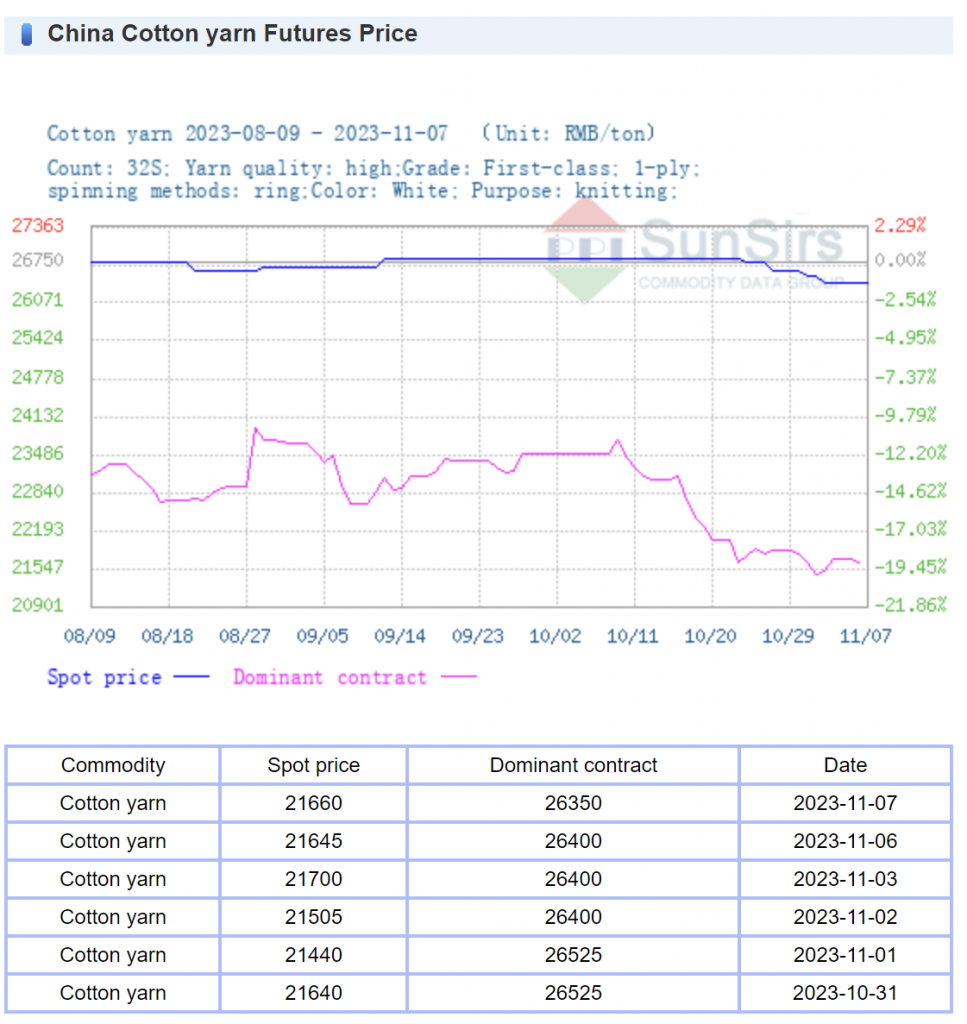
2. BIẾN ĐỘNG GIÁ

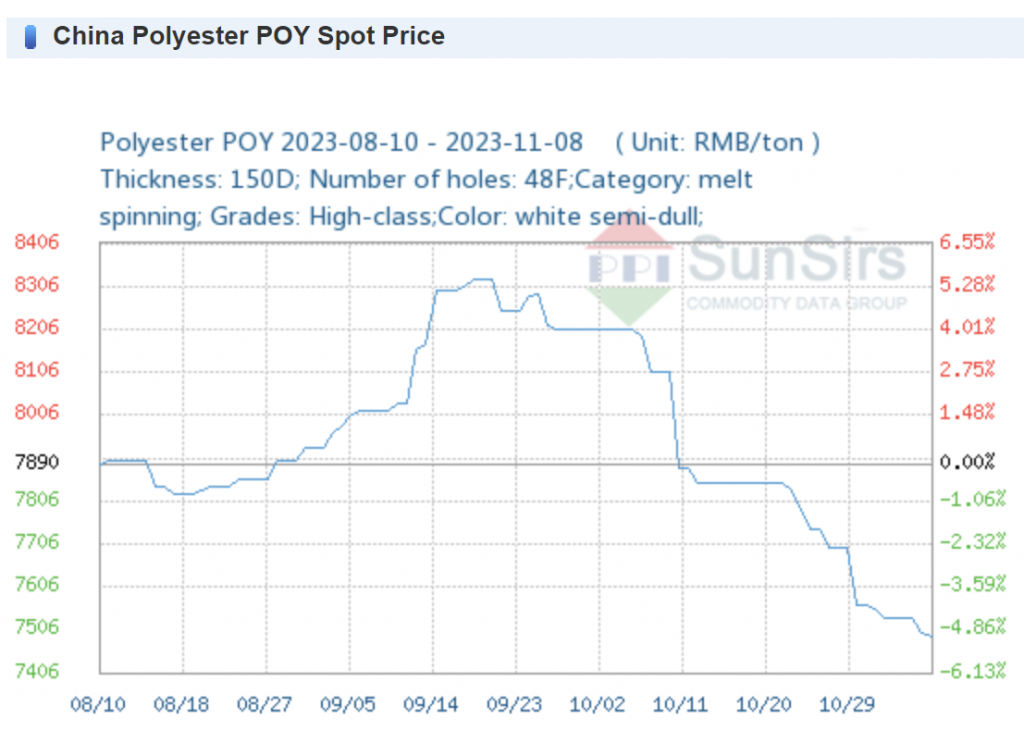
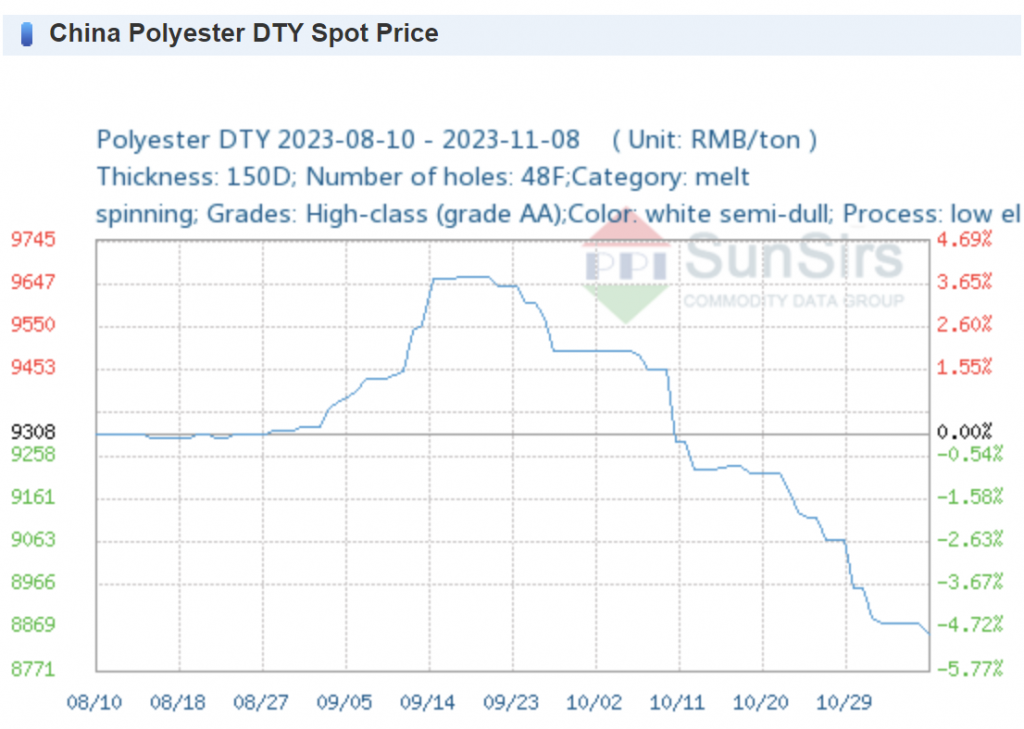
3. TIN THỊ TRƯỜNG
Ảnh hưởng của cuộc xung đột Trung Đông đến đơn đặt hàng dệt may toàn cầu
Sự hỗn loạn toàn cầu dường như trở thành bình thường mới. Đầu tiên là đại dịch, cuộc chiến ở Nga-Ukraine và và bây giờ là xung đột giữa Israel và Hamas. Phản ứng của Israel đối với các cuộc tấn công khủng bố của Hamas có thể làm gián đoạn nền kinh tế toàn cầu và có thể rơi vào suy thoái nếu nhiều quốc gia tham gia.
Hậu quả trước mắt của cuộc chiến chỉ giới hạn ở Palestine và Israel, nhưng nó có thể sớm tạo ra những tác động lan tỏa khắp Trung Đông. Douglas Hsu, chủ tịch công ty sản xuất sợi polyester và dệt may Far East New Century, tin rằng xung đột sẽ không có tác động lớn đến ngành dệt may vì nhu cầu ở các khu vực xung đột tương đối nhỏ xét về mặt dân số. Mặc dù đây có thể là một quan điểm nhưng không thể phủ nhận rằng các nước Trung Đông đều là nhà nhập khẩu hàng may mặc sẵn và ở một mức độ nào đó là thị trường khá lớn cho các thương hiệu xa xỉ, đặc biệt là Israel và các nước vùng Vịnh.
Ngoài ra, xung đột có thể khiến giá dầu tăng cao, ảnh hưởng đến tỷ lệ lạm phát và cán cân thương mại toàn cầu, làm trầm trọng thêm tình trạng bất ổn kinh tế. Ngoài ra, xung đột có thể dẫn đến tăng giá đầu cơ do khả năng gián đoạn nguồn cung. Điều này chắc chắn sẽ ảnh hưởng đến thói quen tiêu dùng của các thị trường may mặc lớn.
Bangladesh tăng lương tối thiểu cho công nhân may mặc sau các cuộc biểu tình
Bangladesh sẽ tăng mức lương tối thiểu cho công nhân may mặc lên 56,25%, lần tăng đầu tiên kể từ năm 2019.
Bộ trưởng Lao động và Việc làm Monnujan Sufian cho biết mức lương tối thiểu cho người lao động sẽ tăng lên 12.500 taka (114 USD) mỗi tháng kể từ ngày 1 tháng 12.
Các cuộc biểu tình dẫn đến đụng độ với cảnh sát khiến hai công nhân thiệt mạng và hàng chục người khác bị thương, đã thúc đẩy chính phủ thành lập một hội đồng gồm các chủ nhà máy, lãnh đạo công đoàn và quan chức để xem xét yêu cầu tăng lương.
Quy định mới về nhập khẩu sản phẩm dệt may vào Trung Quốc
Bộ Công Thương vừa cho biết, Tổng cục Hải quan Trung Quốc đã thông báo Lệnh số 259 và Thông báo số 120 liên quan đến việc áp dụng biện pháp quản lý chấp nhận kết quả giám định đối với hoạt động xuất khẩu sản phẩm may mặc vào thị trường Trung Quốc.
Theo đó, phía Trung Quốc ban hành Danh mục 266 mã hàng hóa đối với sản phẩm may mặc xuất khẩu dành cho người lớn; trẻ sơ sinh và trẻ em phải áp dụng biện pháp quản lý chấp nhận kết quả giám định.
Lệnh số 259 quy định, các tổ chức giám định bên ngoài lãnh thổ Trung Quốc được phép tham gia hoạt động giám định sản phẩm may mặc thông qua việc nộp hồ sơ trực tuyến tại cơ quan Hải quan Trung Quốc và được cơ quan này đánh giá, chấp nhận là tổ chức giám định thực hiện việc giám định sản phẩm may mặc nhập khẩu vào thị trường Trung Quốc. Đồng thời, Thông báo số 120 quy định các hạng mục kiểm tra, phạm vi kỹ thuật áp dụng, phương pháp kiểm tra đối với sản phẩm may mặc nhập khẩu áp dụng biện pháp quản lý chấp nhận kết quả giám định. Các tổ chức giám định phải có chứng nhận đáp ứng yêu cầu phù hợp với ISO/IEC 17025 và ISO/IEC 17020 do các tổ chức công nhận là thành viên của Hiệp hội Công nhận phòng thí nghiệm quốc tế cấp.
Ngọc Trâm (theo Fashionating World/Reuters/Báo Pháp Luật Việt Nam)
*************
Ripple effects of Middle Eastern conflict on global textile and apparel orders
Global disruptions seem to have become the new norm. First, it was the pandemic followed by Russia-Ukraine war and now Israel-Hamas conflict. Israel’s response to the terrorist attacks by Hamas has the potential to disrupt the global economy and tip it into recession if more countries are drawn in.
The war’s immediate consequences are confined to Palestine and Israel but it may soon have a ripple effect on the entire Middle East. And as Douglas Hsu, Chairman of polyester and textile maker Far Eastern New Century Corp opines, the conflict would not have a significant impact on the textile industry because demand in the conflict region is relatively small in terms of population. While this might be a point of view, it can’t be denied that the collective Middle Eastern countries are importers of readymade garments and in certain ways a decent-sized market for luxury brands, particularly Israel and the Gulf countries.
Moreover, the conflict could lead to an oil price rise, which could affect global inflation rates and trade balances and promote further economic uncertainty. Additionally, the conflict could lead to speculative price hikes due to potential supply disruptions. This would definitely affect consumption patterns of large apparel markets.
Bangladesh hikes minimum wage for garment workers after protests
Bangladesh will raise the minimum wage for garment workers by 56.25%, the first hike since 2019.
The minimum wage for workers will rise to 12,500 taka ($114) per month from Dec. 1, State Minister for Labour and Employment Monnujan Sufian said.
The protests, which led to clashes with police that killed two workers and wounded dozens more, pushed the government to form a panel of factory owners, union leaders and officials to consider the demand for higher pay.
New regulations on importing textile and garment products into China
The Ministry of Industry and Trade announced that China’s General Department of Customs has issued Order No. 259 and Notice No. 120 regarding the application of management measures accepting inspection results for textile and garment export to the Chinese market.
China has established a catalogue of 266 commodity codes for clothing exported for adults, infants and children’s products must apply management measures accepting inspection results. Simultaneously, Notice No. 120 outlines import testing items, scopes and methods. Additionally, Order No. 259 permits qualified external testing bodies to assess imports after online registration with Chinese Customs. Testing organizations must be certified as meeting requirements in accordance with ISO/IEC 17025 and ISO/IEC 17020 standards issued by accreditation bodies that are members of the International Laboratory Accreditation Cooperation.
Source: Fashionating World/Reuters/Vietnamese Law Newspaper)
==============
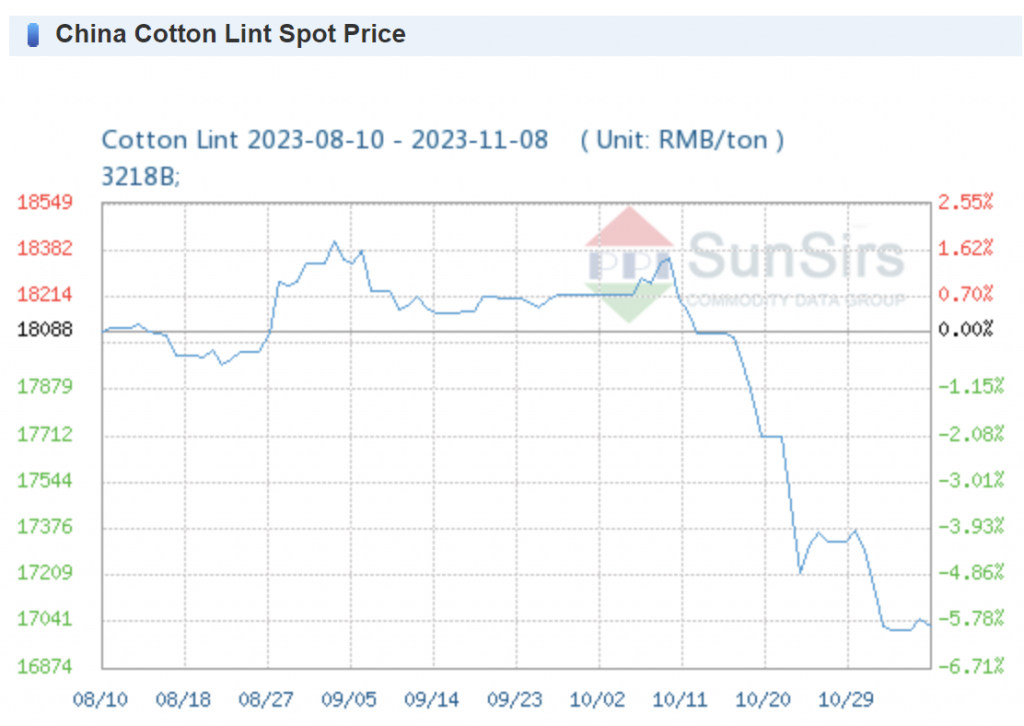
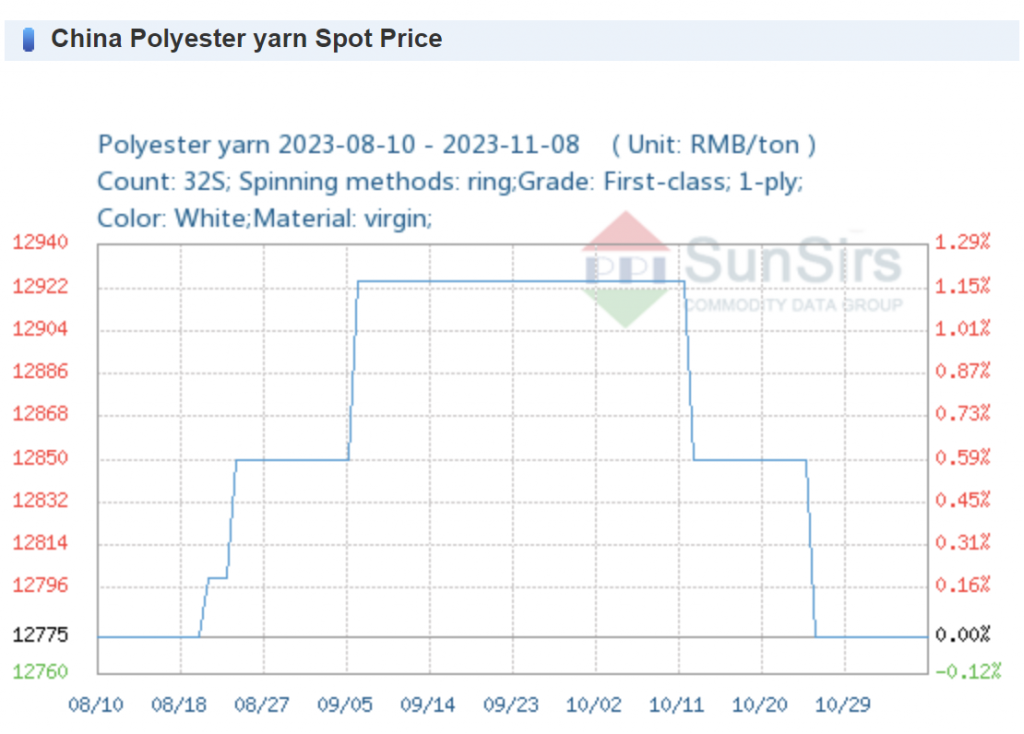
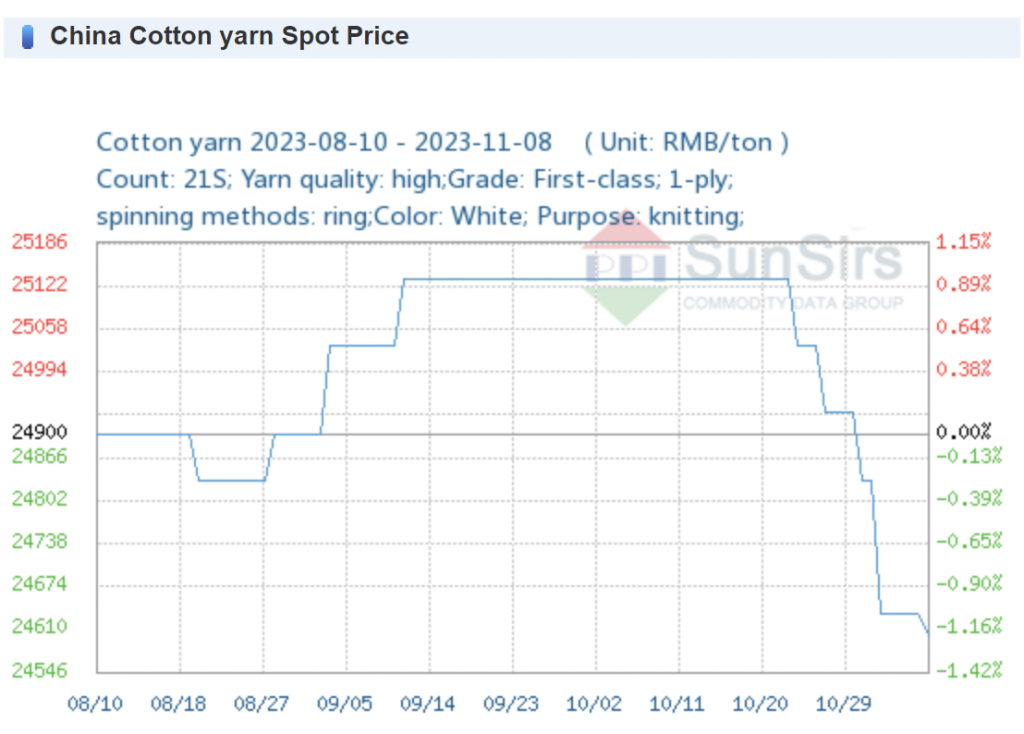
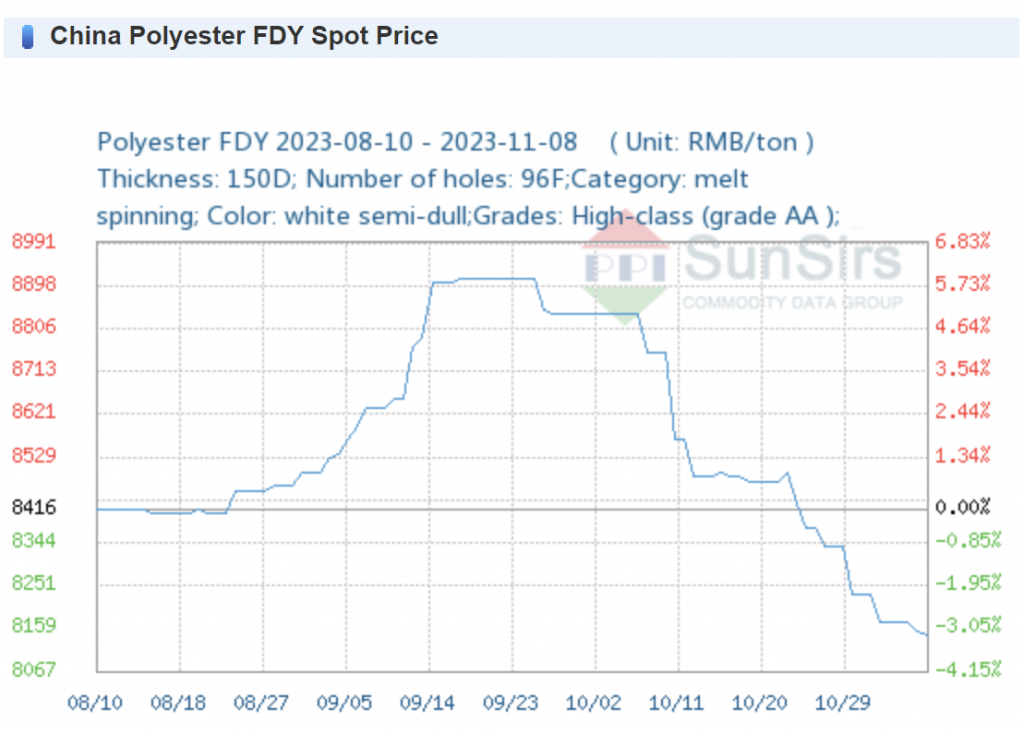
- Price database is referenced from domestic market of China, India, Pakistan, Bangladesh .
- The unit price of yarn referred from Chinese market and other countries which is different from the unit price of yarn produced in Vietnam, so please refer to the weekly price data and historical price fluctuations for the range of market price fluctuations per period.
- The article analyzes, comments and evaluates the market price referenced from many sources. Translated and edited by VCOSA in Vietnamese. There is always an original to compare just below each news.
- Some yarn price information is hidden for privacy (VCOSA members only), for more information, please call our hotline at + 84-902379490.
- Website www.vietnamyarnprice.com has officially launched. Portal to look up and share prices of the yarn industry in Vietnam and other countries.