1. GIÁ CẢ THỊ TRƯỜNG


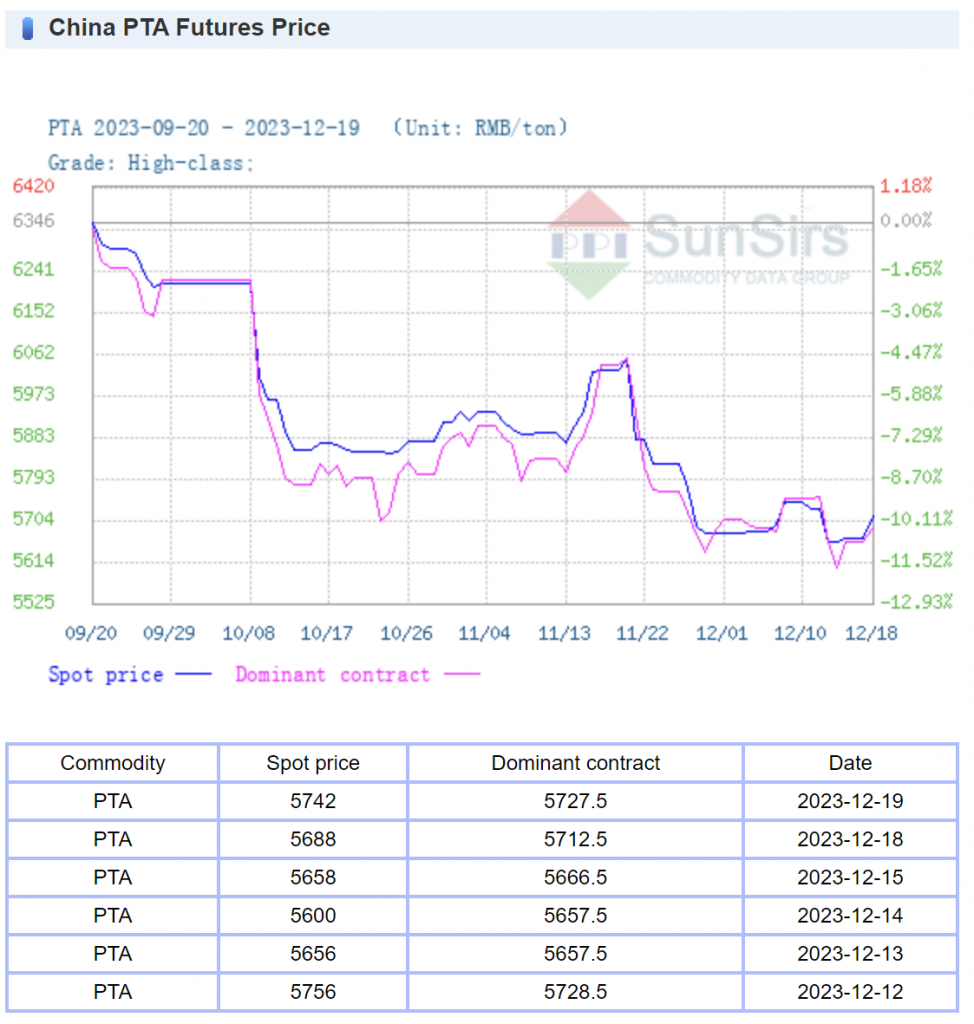
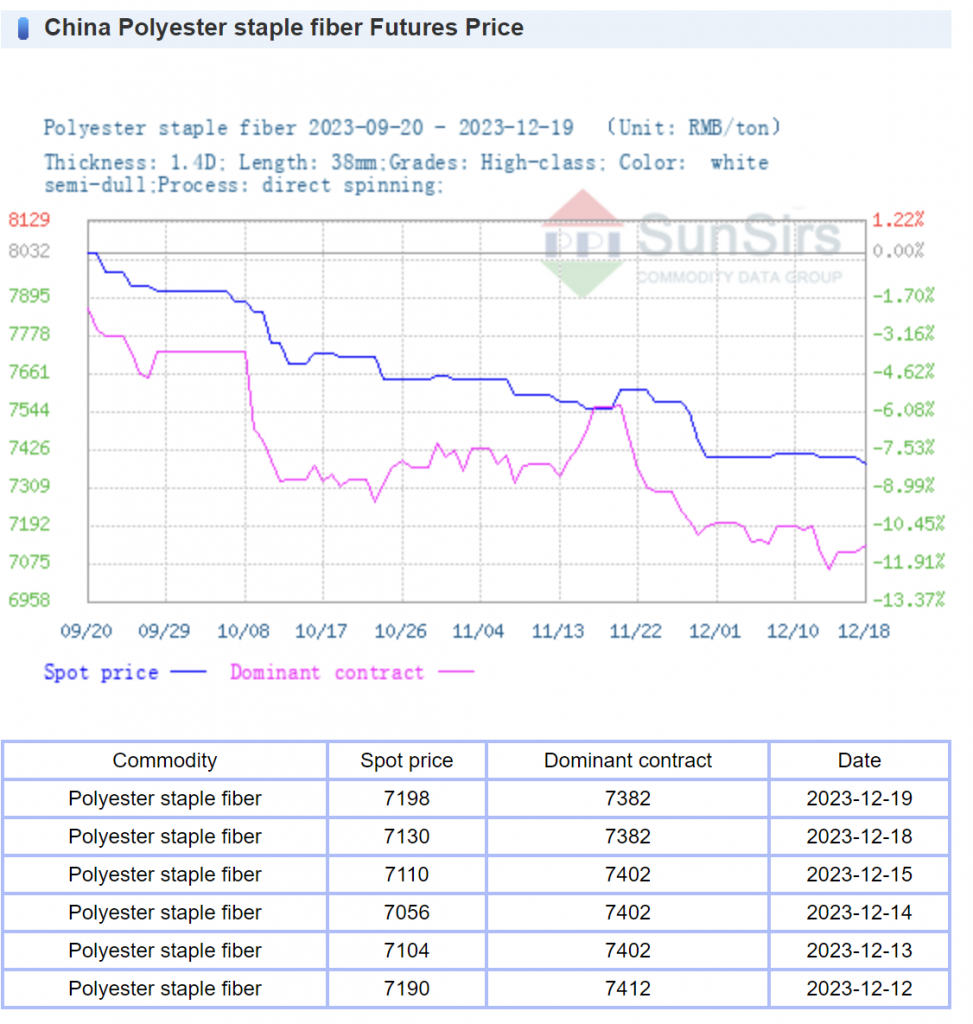
2. BIẾN ĐỘNG GIÁ


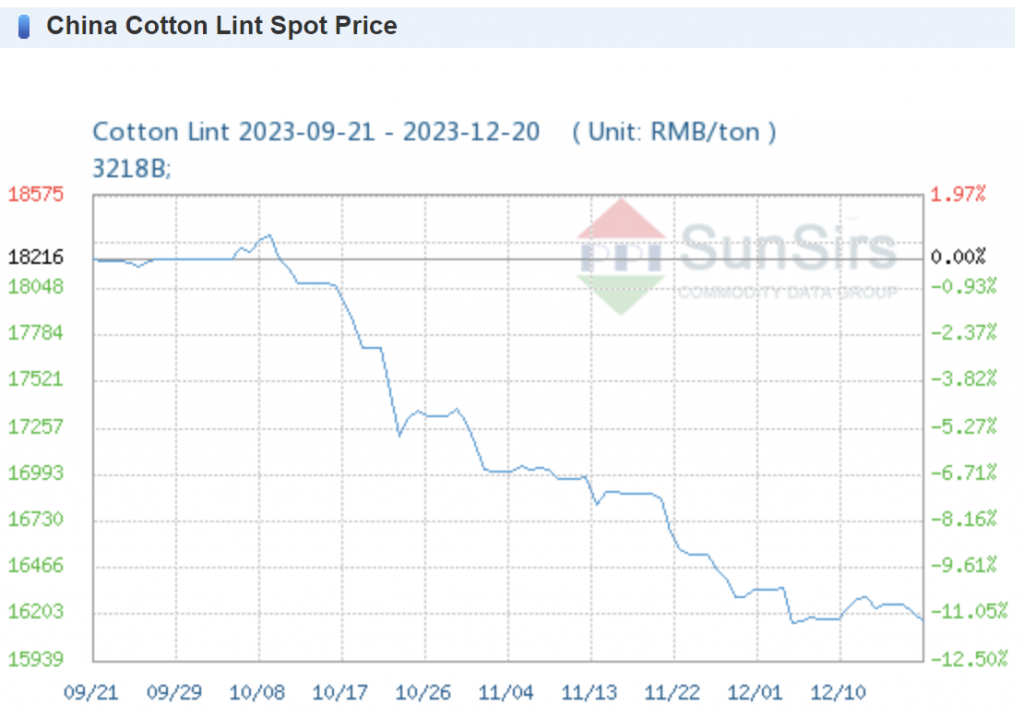
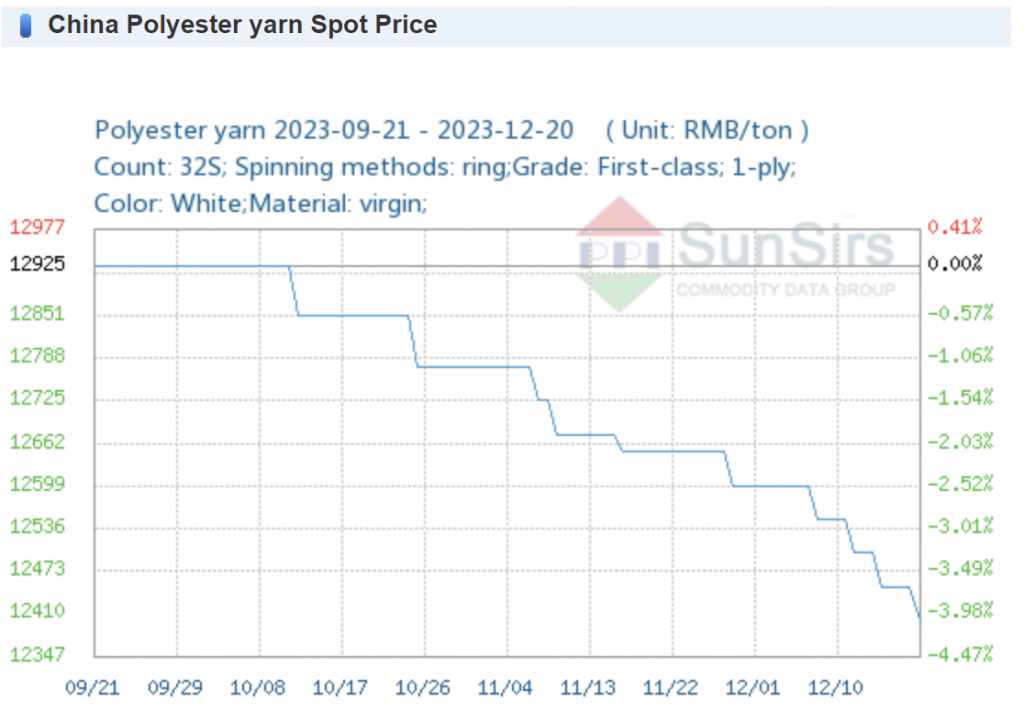
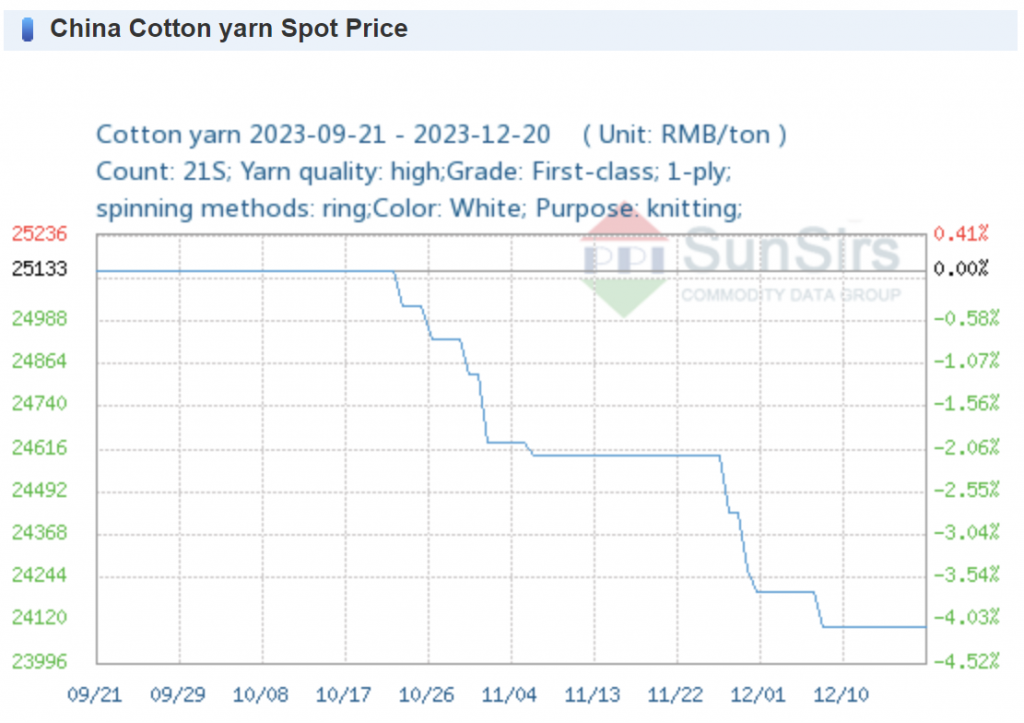

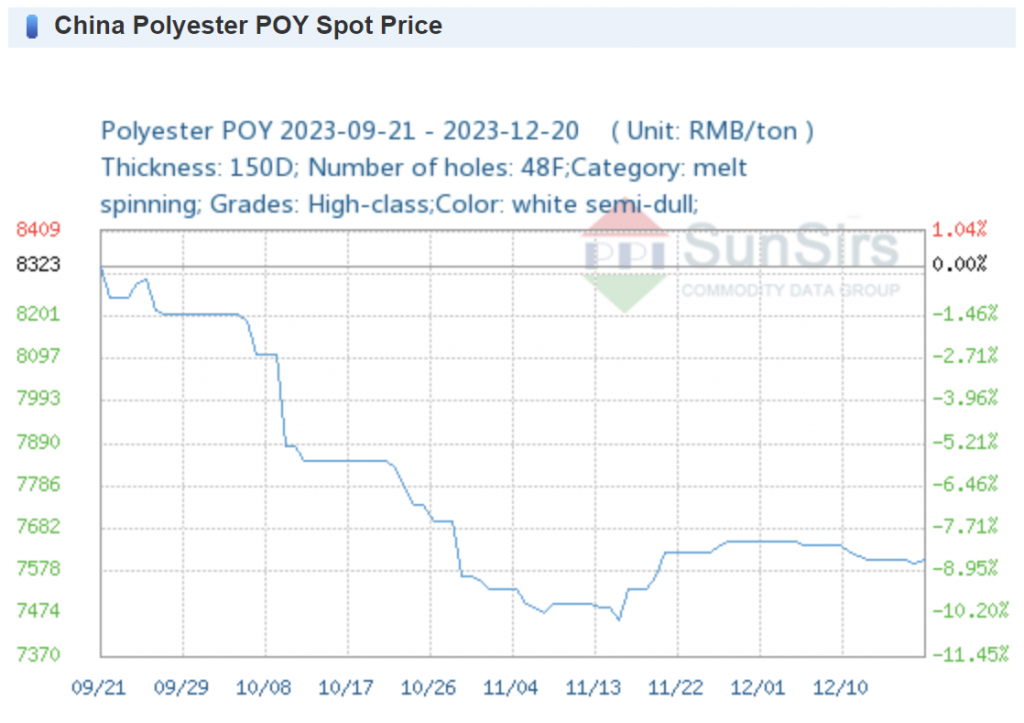

3. TIN THỊ TRƯỜNG
Liên minh Châu Âu cấm tiêu hủy quần áo tồn kho từ năm 2025
Liên minh Châu Âu sẽ cấm tiêu hủy quần áo tồn kho từ năm 2025. Các quy định mới cũng yêu cầu sản phẩm phải thân thiện với môi trường hơn, dễ sửa chữa và tái chế hơn.
Mục đích của các quy định là hạn chế tác động tiêu cực của “thời trang nhanh” và giảm lãng phí. Sau khi tham vấn các nước thành viên và Nghị viện châu Âu, Liên minh Châu Âu đã đồng ý cấm các tập đoàn bán lẻ lớn tiêu hủy quần áo và giày dép tồn kho.
Liên minh Châu Âu đang cố gắng giải quyết vấn đề tiêu thụ dệt may ở châu Âu, vốn có tác động lớn thứ tư đến môi trường và biến đổi khí hậu sau thực phẩm, nhà ở và giao thông. Lệnh cấm nói chung sẽ có hiệu lực sau hai năm đối với các doanh nghiệp lớn. Tuy nhiên, thời hạn này sẽ được kéo dài đến sáu năm đối với các doanh nghiệp cỡ trung bình, các doanh nghiệp nhỏ hơn cũng sẽ có nhiều thời gian hơn để tuân thủ các quy định mới.
Lệnh cấm này sẽ giúp sản phẩm có tuổi thọ cao hơn và dễ tiếp cận hơn để tái sử dụng, sửa chữa và tái chế, đồng thời giảm mức tiêu thụ tài nguyên như năng lượng và nước. Một thành viên của Nghị viện Châu Âu cho biết đã đến lúc chấm dứt mô hình “nhận, sản xuất, thải bỏ” có hại cho hành tinh, sức khỏe và nền kinh tế. Ông cho rằng các sản phẩm mới sẽ được thiết kế để mang lại lợi ích cho mọi người, tôn trọng hành tinh và bảo vệ môi trường.
Trong khi đó, Ủy ban cũng được trao quyền cấm các sản phẩm tồn kho khác ngoài quần áo và giày dép, mặc dù Nghị viện Châu Âu chưa quyết định chi tiết về yêu cầu đối với từng sản phẩm.
Thỏa thuận nêu rõ rằng Ủy ban Châu Âu có thể ban hành các yêu cầu ràng buộc về mặt pháp lý để làm cho các hàng hóa như đồ nội thất, lốp xe, chất tẩy rửa, sơn và hóa chất trở nên thân thiện với môi trường hơn.
Sản phẩm cũng phải đi kèm với “hộ chiếu kỹ thuật số của sản phẩm”, có thể là mã QR, để giúp người tiêu dùng lựa chọn mua hàng. Tuy nhiên, nhiều nguyên liệu thô như sắt, thép và nhôm cũng sẽ được quy định tương ứng trong tương lai. Dự kiến sẽ có ngoại lệ đối với hàng hóa như ô tô và hàng hóa quân sự.
Nguồn: Textalks
=============
Destruction of unsold clothing banned in EU from 2025

The European Union has finally approved a ban on destroying unsold clothing. The new rules will also ensure products are more environmentally friendly and are also more easily repaired and recycled.
The rules aim to crack down on the impact of “fast fashion” and reduce waste. In this regard, negotiators from the European Parliament and EU member states agreed to stop large retail groups from destroying unsold clothes and footwear.
The EU is trying to address European textile consumption, which has the fourth highest impact on the environment and climate change after food, housing, and transport. The ban will, in principle, be effective after two years for large businesses. However, the period is extended up to six years for medium-sized companies, and more minor size concerns
This ban would make products longer-lasting and more accessible to reuse, repair, and recycle, reducing the consumption of resources such as energy and water. A member of the European Parliament stated that it is time to end the model of ‘take, make, dispose of’ that is so harmful to our planet, our health and our economy. He said new products will be designed to benefit all, respect our planet, and protect the environment.
Meanwhile, the Commission has been authorized to ban other unsold products beyond clothing and footwear, though the EU parliament has not finalized the details of the requirements of individual products.
The agreement outlined that the European Commission can issue legally binding requirements to make goods such as furniture, tires, detergents, paints, and chemicals more environmentally friendly.
Goods must also be sold with a “digital product passport,” which could be a QR code, to help consumers make informed choices about their purchases. However, numerous raw materials such as iron, steel, and aluminum are also to be regulated accordingly in future. Exceptions are planned for goods such as cars and military products.
Source: Textalks
==============
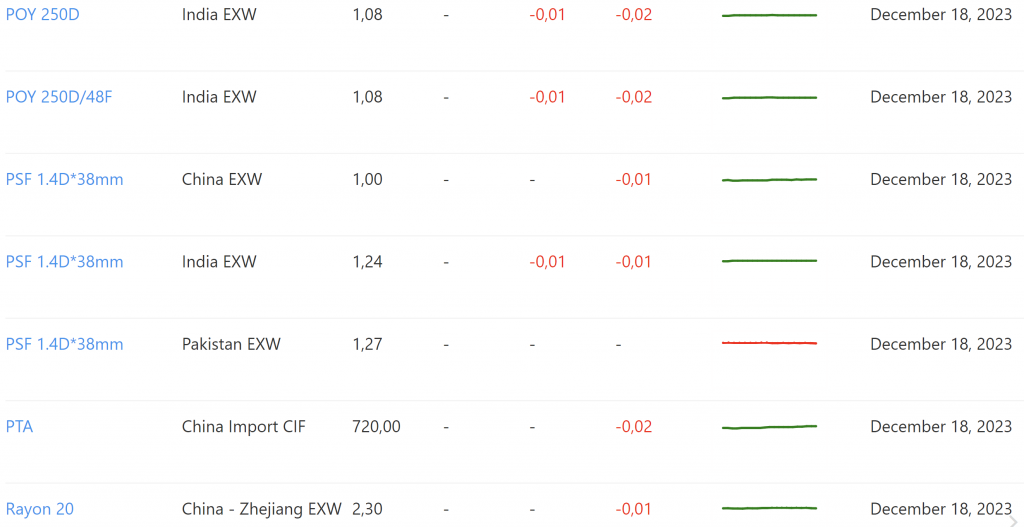
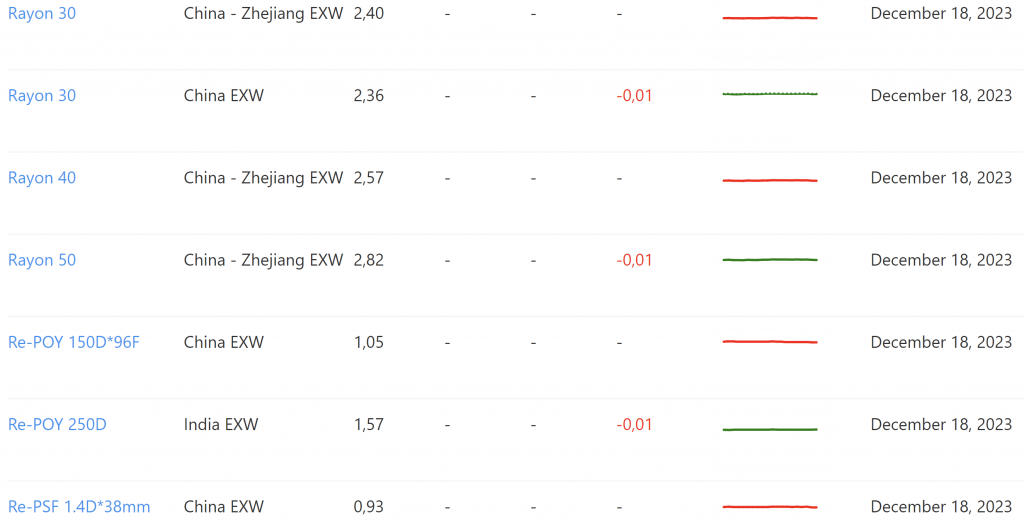
- Price database is referenced from domestic market of China, India, Pakistan, Bangladesh .
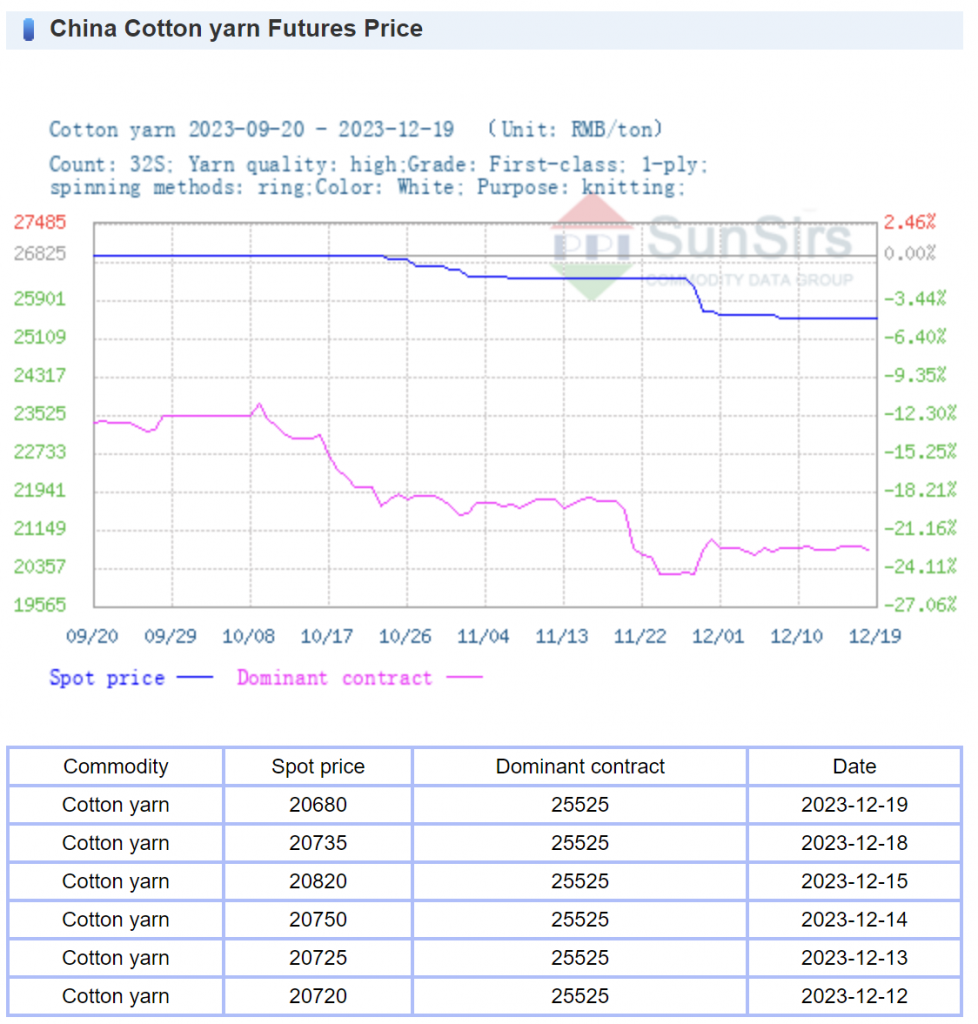
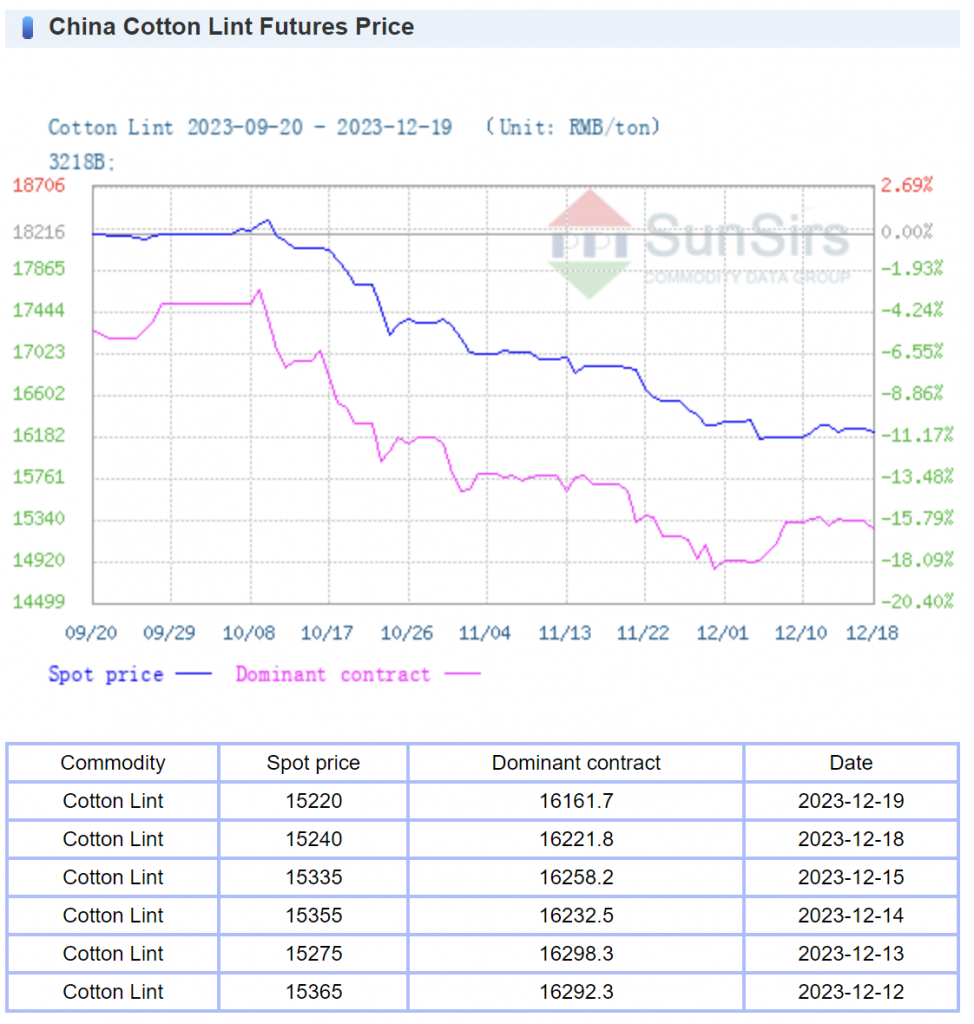
- The unit price of yarn referred from Chinese market and other countries which is different from the unit price of yarn produced in Vietnam, so please refer to the weekly price data and historical price fluctuations for the range of market price fluctuations per period.
- The article analyzes, comments and evaluates the market price referenced from many sources. Translated and edited by VCOSA in Vietnamese. There is always an original to compare just below each news.
- Some yarn price information is hidden for privacy (VCOSA members only), for more information, please call our hotline at + 84-902379490.
- Website www.vietnamyarnprice.com has officially launched. Portal to look up and share prices of the yarn industry in Vietnam and other countries.